Are You Making These 5 Critical Mistakes When Buying Nails?
Walk into any hardware store or browse through a supplier catalog, and you'll face hundreds of nail options. Most buyers—whether professional contractors or DIY enthusiasts—make their selection based primarily on price or basic specifications. But here's the problem: five common purchasing mistakes are costing people time, money, and project quality. After working with countless construction professionals and hardware distributors, we've identified the errors that repeatedly cause problems. Let's explore what you might be doing wrong and how to fix it.
Mistake #1: Ignoring the Coating—Why Does It Matter Anyway?
Here's a scenario that plays out constantly: someone buys steel nails for an outdoor deck project, focuses on getting the right length and gauge, but pays no attention to the coating. Six months later, ugly rust stains appear on their beautiful cedar boards. Sound familiar?
The coating on your nails isn't just cosmetic—it's functional protection that determines longevity. Bright (uncoated) nails work fine for interior applications, but they'll rust rapidly outdoors. Hot-dipped galvanized coil nails offer superior corrosion resistance for exterior projects. Stainless steel fasteners handle the harshest coastal environments. Professional Chinese nail manufacturers produce various coating options precisely because different environments demand different protection levels.
The fix? Always specify your project environment when selecting fasteners. Indoor cabinet work? Basic finishing nails work perfectly. Outdoor fence installation? Demand galvanized or coated products from quality nail suppliers. This simple awareness prevents expensive do-overs.
Mistake #2: Choosing the Wrong Collation for Your Nail Gun
This mistake frustrates professional contractors constantly and costs valuable time on job sites. You've got a nail gun designed for coil nails, but someone ordered strip-collated nails instead—or vice versa. Now you're facing delays, equipment incompatibility, and wasted materials.
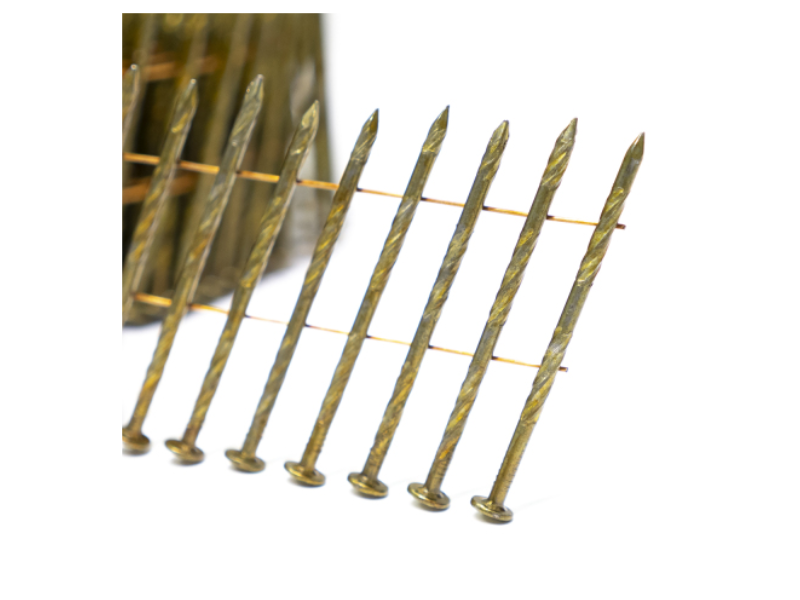
Different pneumatic nail guns accept different collation types: wire-collated strips, plastic-collated strips, or coil arrangements. Using incorrect collated nails doesn't just slow you down—it can damage your equipment or create safety hazards through jamming and misfires. Professional construction companies partnering with knowledgeable Chinese nail manufacturers avoid this by clearly communicating their equipment specifications upfront.
The solution? Know your tools before ordering. Check your nail gun's specifications, photograph the current fasteners you're using, or bring samples when purchasing. Reputable B2B nail suppliers will help match products to your specific equipment, ensuring smooth operation and maximum productivity.
Mistake #3: Overlooking Shank Design—Does It Really Affect Holding Power?
Most people assume all nails of the same length provide equal holding power. This couldn't be further from the truth, and it's a mistake that leads to structural problems down the line. The shank design—smooth, ringed, twisted, or screw-threaded—dramatically impacts withdrawal resistance.
For applications where fasteners might experience pulling forces—like flooring, decking, or heavy-duty construction—smooth-shank steel nails simply don't perform adequately. This is where specialized construction iron nails with enhanced shanks become essential. The grooves, rings, or threads create mechanical resistance that multiplies holding power several times over.
Professional contractors specify shank types based on application requirements, and quality nail manufacturers in China produce various designs for different needs. If you're building something that needs to last decades, investing in properly engineered headless iron nails or construction fasteners with appropriate shank designs isn't optional—it's necessary.
Mistake #4: Buying Based Solely on Price Per Thousand
Here's the trap that catches both inexperienced buyers and budget-conscious managers: focusing exclusively on the unit price without considering total cost of ownership. That incredibly cheap box of nails looks like a great deal—until you factor in bent nails, equipment jams, callbacks, and failed installations.
Let's do the math realistically. Premium collated nails from established Chinese nail factories might cost 25% more than bargain alternatives. But if that quality difference means 30% fewer bent nails during installation, zero equipment jams, and no callbacks for premature failures, the premium product actually costs less when you account for labor, time, and reputation.
Professional hardware distributors understand this value equation. They'd rather stock quality products from reliable nail suppliers and manufacturers, even at slightly higher wholesale costs, because their contractor customers appreciate consistency and reliability. Those relationships build long-term business far better than one-time price advantages that lead to quality complaints.
Mistake #5: Not Considering Load Requirements for Your Project
This mistake shows up most dramatically in structural applications but affects all projects to some degree. Using standard steel nails for applications that demand construction iron nails—or choosing lightweight fasteners for heavy-duty connections—creates safety risks and eventual failures.
Different applications place different loads on fasteners. A picture frame hanging on drywall requires minimal strength. Heavy timber framing supporting structural loads demands robust construction-grade fasteners with specific engineering properties. Concrete formwork needs nails designed to withstand the pressures involved and allow clean removal.
The problem? Many buyers don't assess load requirements before purchasing. They grab whatever looks approximately right, install it, and hope for the best. Professional builders consult with experienced nail manufacturers who understand application engineering. These suppliers can recommend appropriate products—whether specialized coil nails for roofing, heavy-duty construction iron nails for structural work, or precision headless iron nails for finish carpentry.
The Smart Buying Approach: What Actually Works
So how do you avoid these common mistakes? Start by changing your purchasing mindset from transactional to consultative. The best nail suppliers in China—those with decades of manufacturing experience and comprehensive product lines—aren't just order-takers. They're technical resources who can guide you toward optimal solutions.
Before your next purchase, consider: What's the specific application? What environmental conditions will the fasteners face? What equipment will be used for installation? What load requirements exist? What's the expected lifespan? Answering these questions leads you to appropriate products, whether that's weather-resistant coil nails, precision-engineered collated nails, or specialized construction fasteners.
For B2B buyers—hardware distributors, construction companies, and industrial manufacturers—building relationships with quality-focused Chinese nail exporters pays long-term dividends. Yes, initial costs might be slightly higher than bargain alternatives. But reduced defects, fewer project failures, satisfied customers, and repeat business more than compensate.
The construction and hardware industries have learned, often through expensive mistakes, that the cheapest nail isn't the best value. Make your next purchase based on application requirements, quality standards, and supplier reliability rather than just price. Your projects—and your reputation—will thank you.