How Climate Conditions Affect Nail Selection: A Regional Guide for Builders
Construction projects in Miami face completely different environmental challenges than those in Alaska. A deck built in coastal Australia encounters conditions nothing like one in dry Arizona desert. Yet surprisingly, many contractors and builders use identical fasteners regardless of climate—a mistake that leads to premature failures, costly callbacks, and disappointed customers. Understanding how temperature extremes, humidity levels, salt exposure, and UV radiation affect nail performance isn't just technical knowledge—it's the difference between projects that last decades and those requiring repairs within years.
Coastal and Marine Environments: Where Standard Nails Fail Fast
If you've ever seen rust stains bleeding across beautiful decking or watched fasteners corrode in seaside structures, you've witnessed what happens when standard steel nails meet salt air. Coastal environments are extraordinarily aggressive toward ferrous metals. Salt-laden moisture penetrates protective coatings, initiates corrosion, and rapidly degrades fastener integrity.
The chemistry is relentless: sodium chloride accelerates oxidation processes, creating rust that expands and weakens connections while staining surrounding materials. In severe coastal exposures—think beachfront construction or marine docks—standard galvanized coil nails might show visible corrosion within months and fail structurally within a few years.
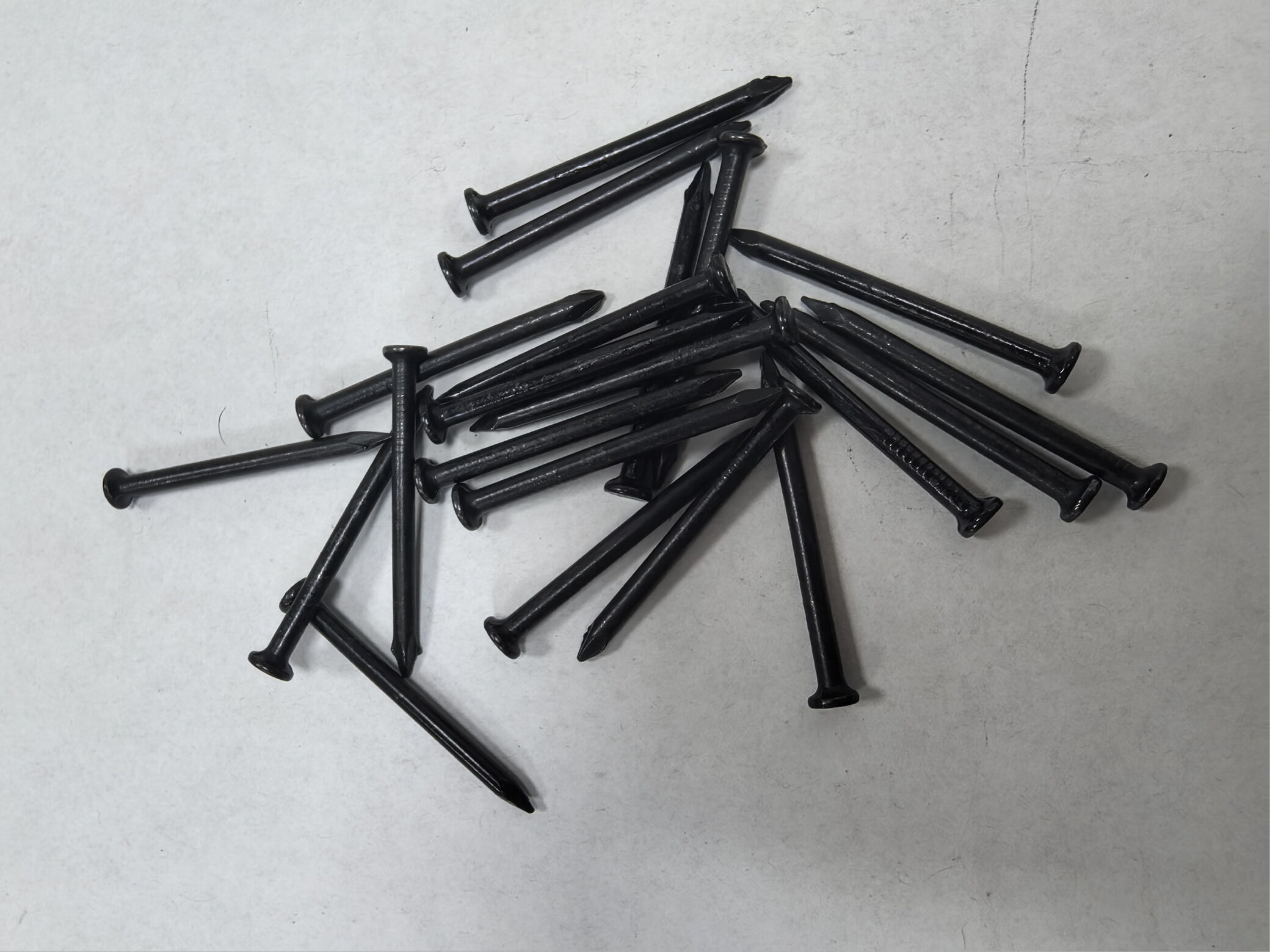
Professional builders in coastal regions worldwide have learned this lesson, often expensively. The solution requires either hot-dip galvanized construction iron nails with heavy zinc coatings, stainless steel fasteners, or specialized marine-grade products engineered specifically for salt exposure.
At Fujian Cixing Metal Products Co., Ltd., we manufacture premium galvanized products specifically for coastal markets across Australia, New Zealand, Southeast Asia, and beyond. Our hot-dip galvanizing process applies substantially thicker zinc coatings than standard electro-galvanizing—protection measured in decades, not years. When construction companies building in coastal zones partner with Cixing, they're investing in fasteners that won't embarrass them or cost them callbacks.
Tropical and High-Humidity Climates: Moisture Challenges
Tropical regions and humid climates present different but equally serious challenges. Constant high humidity, frequent rain, and warm temperatures create perfect conditions for accelerated corrosion—even on materials not directly exposed to weather.
Interior framing in tropical buildings can experience moisture levels that would shock builders in arid climates. Wood remains perpetually damp. Condensation forms regularly. These conditions mean that collated nails and construction iron nails used even in protected applications need corrosion resistance far exceeding what dry climates require.
Additionally, tropical hardwoods—common in regions like Southeast Asia, Central America, and parts of Africa—are exceptionally dense. Driving fasteners into these materials without pre-drilling requires steel nails with superior hardness and point geometry. Standard nails simply bend when attempting penetration, frustrating installation crews and wasting materials.
Cixing serves construction markets throughout tropical Asia precisely because we engineer products for these demanding conditions. Our heat treatment processes create the hardness tropical hardwoods demand, while our galvanizing provides the corrosion resistance humid climates require.
Extreme Cold Climates: Brittleness and Thermal Cycling
Northern construction markets—Scandinavia, Canada, northern United States, Russia—face opposite challenges. Extreme cold makes some steel grades brittle, risking fracture during installation when fasteners must flex slightly while being driven. Temperature cycling between freezing winters and warm summers creates expansion and contraction stresses that can loosen connections over time.
Cold climate construction also involves treated lumber and engineered materials specifically designed for freeze-thaw resistance. These materials can be harder and denser than standard dimensional lumber, requiring construction iron nails with enhanced strength characteristics.
Furthermore, snow load and ice accumulation create sustained stress on structural connections. Fasteners must maintain holding power under these prolonged loading conditions without creeping or deforming. This demands precise metallurgy—steel with the right balance of hardness and toughness.
Professional builders in cold climates specify fasteners with metallurgical properties proven in low-temperature service. Cixing's quality control includes testing our steel nails at temperature extremes, ensuring they maintain performance characteristics across the full range of service conditions our global customers encounter.
Arid and Desert Environments: UV and Temperature Extremes
Desert construction presents unique challenges often underestimated. While low humidity reduces corrosion concerns, extreme temperature swings—scorching days exceeding 45°C (113°F) and cold nights—create thermal stress cycles that can fatigue connections over time.
Intense UV radiation degrades some coating systems and plastic collation materials used in collated nails. Products that perform beautifully in moderate climates can fail prematurely when exposed to relentless desert sun. This affects not just the nails themselves but the collation strips holding them together for pneumatic application.
Additionally, desert dust and sand are surprisingly abrasive. These fine particles can accelerate wear on nail gun feed mechanisms, making dimensional consistency in coil nails even more critical than normal. Fasteners with irregular dimensions cause feeding problems that are merely annoying in clean environments but become serious issues when combined with dust infiltration.
Cixing addresses these challenges through careful material selection for plastic components and rigorous dimensional control ensuring our collated nails feed reliably even in dusty conditions. Our customers building across Middle Eastern markets, Australian outback, and American Southwest appreciate these engineering details.
Selecting the Right Fasteners for Your Climate Zone
So how do professional builders and contractors make climate-appropriate fastener selections? The process starts with honest environmental assessment:
Coastal Proximity - Within 5 kilometers of saltwater demands premium corrosion protection. Hot-dip galvanized or stainless steel becomes mandatory, not optional.
Humidity Levels - Year-round high humidity climates require enhanced corrosion resistance even for interior applications.
Temperature Extremes - Regions experiencing temperatures below -20°C or above 40°C need fasteners with proven performance across those ranges.
UV Exposure - High-altitude and desert locations with intense sunlight require UV-stable collation materials and coating systems.
Material Compatibility - Dense tropical hardwoods, treated lumber, and engineered materials demand harder fasteners than standard softwood framing.
Based on this assessment, specifications become clearer. A coastal project might require stainless steel headless iron nails for finish work and heavy galvanized construction iron nails for framing. A tropical hardwood deck needs heat-treated steel nails with aggressive points and premium corrosion protection. A desert commercial building uses collated nails with UV-stable collation and thermal-stable coatings.
The Cost of Getting It Wrong: Real-World Consequences
Making climate-inappropriate fastener choices creates consequences far exceeding initial cost savings:
Structural Degradation - Corroded nails lose holding power, weakening connections and potentially creating safety hazards
Aesthetic Damage - Rust stains on premium decking, siding, or trim destroy appearance and reduce property value
Premature Replacement - Projects requiring fastener replacement or complete rebuilding within years instead of decades
Reputation Damage - Contractors face negative reviews, lost referrals, and difficulty winning future projects
Liability Exposure - Structural failures from inadequate fasteners can create serious legal and insurance problems
Smart builders recognize that fastener costs represent tiny fractions of total project budgets—typically under 1%. Choosing climate-appropriate products from quality manufacturers adds minimal cost while providing enormous protection against these consequences.
Partner with Climate-Experienced Manufacturers
Fujian Cixing Metal Products Co., Ltd. serves construction markets across dramatically different climate zones—from tropical Southeast Asia to temperate Europe, from coastal Australia to continental interiors. This global experience taught us that one-size-fits-all fasteners don't work. Different climates demand different solutions.
Our product lines include options specifically engineered for challenging environments:
Heavy galvanized coil nails for coastal framing applications
Stainless steel construction iron nails for severe marine exposures
Heat-treated steel nails for dense tropical hardwoods
UV-stable collated nails for desert construction
Cold-service fasteners for extreme temperature regions
When you contact Cixing, our technical team asks about your climate conditions, exposure levels, and material types—not because we're nosy, but because we want to recommend optimal products for your specific situation. This consultative approach protects your projects and builds long-term partnerships.
Get Climate-Appropriate Fastener Recommendations
Don't let climate conditions sabotage your construction projects. Whether you're building in challenging coastal environments, tropical humidity, extreme cold, or desert heat—your fastener selection directly impacts project longevity and success.
Contact Fujian Cixing Metal Products Co., Ltd. today:
✓ Describe your climate conditions and project requirements
✓ Receive expert recommendations for appropriate fastener specifications
✓ Request product samples for testing in your actual environment
✓ Review technical documentation supporting climate-specific performance
✓ Obtain quotations for fasteners engineered to survive your conditions
With 30+ years serving global construction markets across diverse climates, Cixing understands that successful projects require fasteners matched to environmental realities—not just lowest prices.