What Makes Construction Iron Nails Different from Regular Nails?
If you've ever watched professional contractors work on major construction projects, you've probably noticed they're very particular about their fasteners. They don't just grab any box of nails—they specifically request construction iron nails for certain applications. But what exactly makes these nails different from the regular steel nails you'd pick up for a DIY project? Let's break down why construction iron nails deserve their own category and when you actually need them.
The Strength Factor: Why Construction Iron Nails Are Built Tougher
Here's the straightforward answer: construction iron nails are engineered for heavy-duty applications where regular nails simply won't cut it. We're talking about structural framing, concrete formwork, industrial crating, heavy timber construction, and pallet assembly. These aren't decorative projects or light carpentry—these are applications where fastener failure could mean serious structural problems or safety hazards.
The key difference lies in their manufacturing specifications. Construction iron nails are produced from thicker gauge wire with enhanced carbon content, providing superior tensile strength and resistance to bending under load. Leading Chinese nail manufacturers use specialized heat treatment processes that harden these fasteners beyond standard nail specifications while maintaining enough toughness to absorb impact without shattering.
For construction companies building multi-story structures or industrial manufacturers assembling heavy equipment crates, this strength difference isn't optional—it's essential. The modest price premium for construction-grade fasteners is insignificant compared to the catastrophic costs of structural failures.
Shank Design: How Engineering Multiplies Holding Power
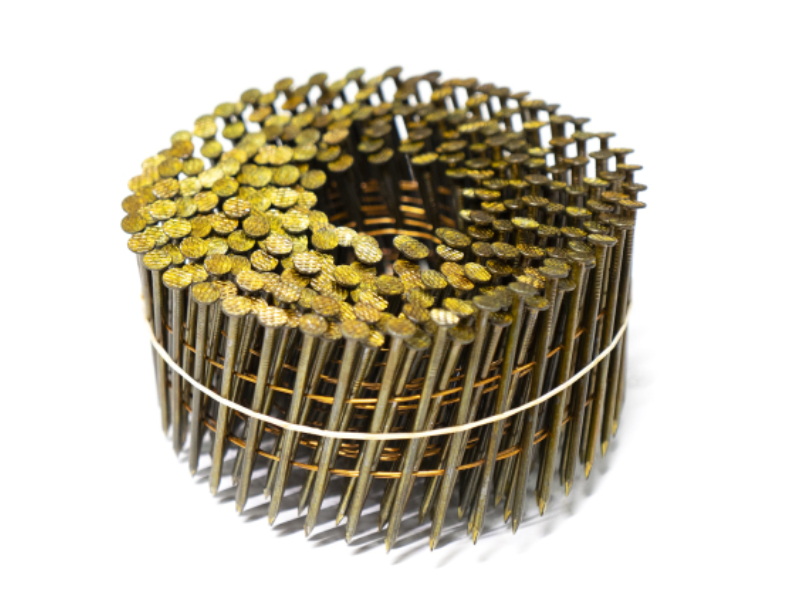
Walk into a professional nail supplier, and you'll notice construction iron nails often feature enhanced shank designs—ring shanks, screw shanks, or twisted profiles. These aren't cosmetic differences; they're functional engineering that multiplies withdrawal resistance.
Standard smooth-shank nails rely solely on friction to maintain holding power. Construction iron nails with engineered shanks create mechanical resistance through threads, rings, or twists that lock into the material. This is crucial for applications experiencing pulling forces: timber frame connections that must resist wind loads, concrete formwork that faces tremendous pressure, or shipping crates that endure rough handling.
Professional contractors sourcing from established Chinese construction nail factories specifically request shank types matched to their applications. The right shank design can provide 3-5 times the holding power of smooth nails—a difference that determines whether structures last decades or require premature repairs.
Application Versatility: Where Construction Iron Nails Excel
So when exactly should you use construction iron nails instead of regular fasteners? The answer depends on your project demands:
Heavy timber framing - When connecting large dimensional lumber or engineered beams, construction iron nails provide the strength and holding power that structural connections require.
Concrete formwork - Building and stripping forms demands fasteners that can withstand enormous pressure yet allow removal without excessive damage. Construction iron nails are specifically designed for this challenging application.
Industrial packaging - Wooden crates shipping heavy machinery or equipment need fasteners that won't fail during transportation. Construction-grade nails ensure cargo arrives intact.
Pallet construction - Commercial pallets supporting thousands of pounds require robust fasteners. Quality construction iron nails from professional manufacturers prevent the failures that damage goods and create liability issues.
For B2B buyers—hardware distributors, construction material suppliers, and industrial purchasers—understanding these application requirements helps match customers with appropriate products rather than defaulting to generic options that may underperform.
Quality Standards: Why Source Matters
Not all construction iron nails meet the same quality standards, and this variation creates real performance differences. Professional Chinese nail manufacturers producing these fasteners maintain strict specifications for wire quality, dimensional accuracy, heat treatment, and coating application.
Reputable suppliers provide documentation: material certifications, tensile strength test results, and coating thickness measurements. This isn't bureaucratic excess—it's assurance that products will perform as specified in demanding applications.
Construction companies managing projects with engineering oversight often require such documentation. Building inspectors may request fastener specifications. Liability concerns demand traceability. Suppliers unable to provide comprehensive quality data create risks that professional buyers increasingly avoid.
The construction iron nail market clearly divides between commodity producers competing on price and quality-focused manufacturers offering engineered solutions with proper documentation. For critical applications, the choice should be obvious.
Making the Right Selection: Partner with Established Manufacturers
Whether you're a contractor building commercial structures, an industrial manufacturer assembling heavy equipment, or a distributor serving professional customers, your construction iron nail supplier directly impacts project outcomes. Established Chinese nail factories with decades of manufacturing experience, modern production facilities, and comprehensive quality systems provide reliability that project success demands.
Look for suppliers offering various shank designs, multiple length and gauge options, appropriate coating selections, and technical support matching fasteners to applications. These capabilities separate professional manufacturers from basic commodity producers.
Construction iron nails might seem like simple products, but their engineering, manufacturing quality, and application-appropriate selection make significant differences in structural integrity and long-term performance. Choose wisely, and your projects will stand the test of time.